
How Can Mock Trials Accurately Predict Sentiment?
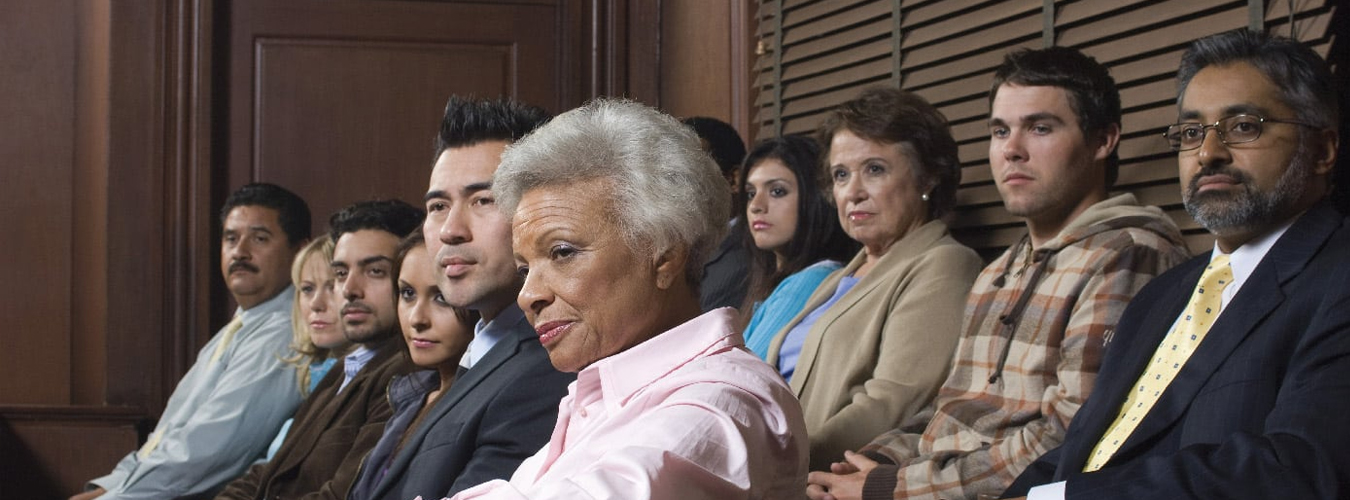
In the realm of litigation, understanding how a jury might respond to the nuances of a case is invaluable. One of the most effective tools for gaining this insight is the mock trial. Mock trials simulate the courtroom experience, allowing attorneys to present their case to a group of individuals who resemble the actual jury pool. This article explores how mock trials accurately predict juror sentiment and the significant benefits they offer to legal teams.
The Role of Mock Trials in Predicting Juror Sentiment
Mock trials serve several critical functions in predicting juror sentiment:
- Identifying Key Issues: They highlight which aspects of the case are most compelling or problematic to jurors.
- Testing Case Themes: Attorneys can gauge the effectiveness of different themes and narratives.
- Evaluating Witnesses: The performance and credibility of witnesses can be assessed.
- Understanding Juror Biases: Mock trials reveal potential biases and preconceived notions that jurors may bring to the trial.
Methodology of Mock Trials
The accuracy of mock trials in predicting juror sentiment largely depends on the methodology used. A well-conducted mock trial typically includes:
- Representative Jury Selection: Selecting mock jurors who match the demographics and psychographics of the actual jury pool.
- Comprehensive Case Presentation: Presenting the case as it will be presented in the actual trial, including all evidence and arguments.
- Controlled Environment: Ensuring the mock trial environment closely mimics the real courtroom setting.
- Detailed Feedback Collection: Gathering extensive feedback from mock jurors through questionnaires, interviews, and group discussions.
Benefits of Mock Trials in Predicting Sentiment
1. Realistic Juror Reactions
One of the primary benefits of mock trials is the realistic reactions they elicit from mock jurors. By mirroring the actual jury's demographic makeup, mock trials provide a reliable gauge of how real jurors might perceive the case. This helps attorneys understand which arguments and evidence are likely to resonate or fall flat.
2. Identifying Persuasive Arguments
Mock trials allow attorneys to test different arguments and strategies to determine which are most persuasive. By presenting various angles and narratives, legal teams can identify the themes that hold the most weight with jurors. This iterative process of testing and refining arguments ensures that the most compelling case is presented at trial.
3. Evaluating Witness Credibility
Witnesses play a crucial role in shaping juror sentiment. Mock trials provide an opportunity to evaluate witness performance and credibility. By observing how mock jurors react to witness testimonies, attorneys can make necessary adjustments, such as coaching witnesses on their delivery or deciding whether to call certain witnesses at all.
4. Understanding Juror Biases
Every juror brings personal biases and preconceived notions to the courtroom. Mock trials help identify these biases, allowing attorneys to address them proactively. By understanding potential juror biases, legal teams can tailor their strategies to mitigate negative perceptions and reinforce positive ones.
5. Testing Visual Aids and Demonstratives
Visual aids and demonstrative evidence can significantly impact juror understanding and retention. Mock trials provide a platform to test these tools and refine them based on juror feedback. This ensures that visual aids are clear, effective, and enhance the overall narrative of the case.
Case Study: Mock Trials in Action
Consider a complex medical malpractice case where the plaintiff's legal team needed to present intricate medical evidence. The attorneys conducted several mock trials to gauge juror sentiment. Through this process, they discovered that jurors struggled to understand the medical jargon and complex procedures.
Based on this feedback, the legal team revised their approach, simplifying explanations and using visual aids to illustrate key points. They also adjusted their witness preparation, ensuring that expert witnesses communicated in layman's terms. As a result, the mock jurors found the revised presentation much clearer and more persuasive.
When the case went to trial, the legal team was well-prepared to present a compelling and understandable narrative. The insights gained from the mock trials proved invaluable, ultimately contributing to a favorable verdict for the plaintiff.
The Predictive Power of Mock Trials
The predictive power of mock trials lies in their ability to replicate the dynamics of a real trial. By creating a realistic courtroom experience and gathering detailed feedback from mock jurors, attorneys can make informed decisions about their case strategy. The data collected from mock trials provides a roadmap for addressing weaknesses, capitalizing on strengths, and anticipating juror reactions.
1. Data-Driven Decision Making
Mock trials generate a wealth of data that can inform every aspect of trial preparation. From juror questionnaires and deliberation notes to video recordings of juror discussions, this data provides a comprehensive view of how the case is perceived. Attorneys can analyze this data to make strategic adjustments and enhance their overall approach.
2. Reducing Uncertainty
Trials are inherently unpredictable, but mock trials reduce some of this uncertainty by providing a preview of how the case might unfold. By identifying potential pitfalls and testing different strategies, attorneys can enter the courtroom with greater confidence and a clearer understanding of what to expect.
3. Enhancing Negotiation and Settlement
The insights gained from mock trials are not only valuable in the courtroom but also during negotiations and settlement discussions. Understanding how jurors are likely to perceive the case can inform settlement strategies and provide leverage in negotiations. If the mock trial results indicate a strong case, attorneys may push for a more favorable settlement. Conversely, if weaknesses are identified, they may opt to settle rather than risk an unfavorable verdict.
Conclusion
Mock trials are a powerful tool for accurately predicting juror sentiment and enhancing trial preparation. By providing a realistic preview of how a case will be received, they enable attorneys to make data-driven decisions, refine their strategies, and ultimately increase their chances of success in the courtroom. In the complex and high-stakes world of litigation, the predictive insights offered by mock trials are invaluable, making them an essential component of any comprehensive trial strategy.
ChatGPT can make mistakes. Check important info.Marketing Jumpstart for Your Business
The marketing audit is generally conducted by a third person, not a member of an organization.