
The Uses of Jury Investigation
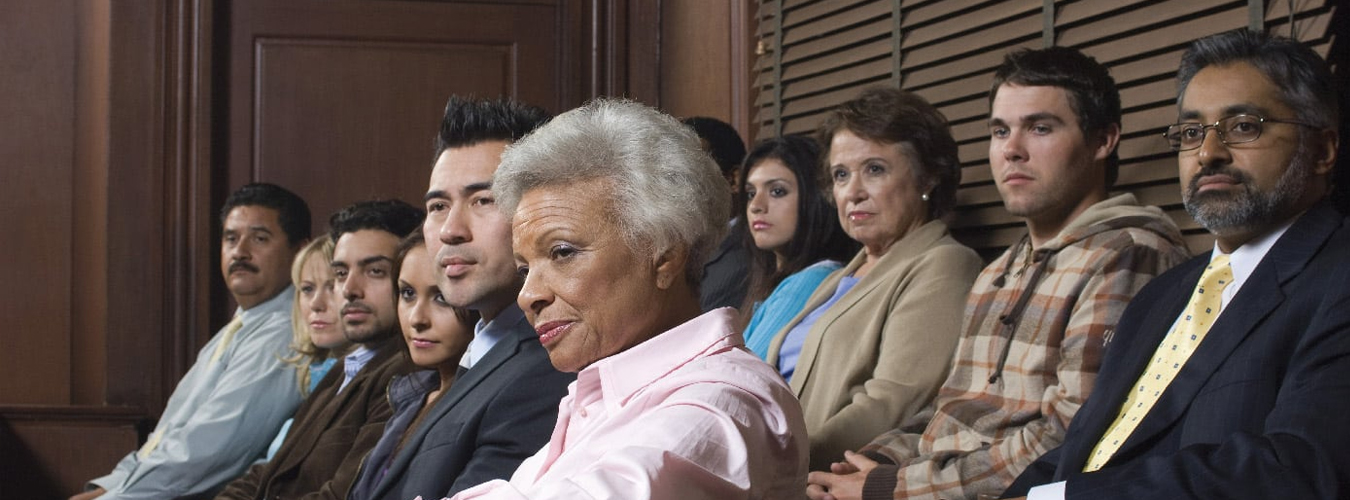
In the intricate world of litigation, the jury's perception of a case can significantly influence the trial's outcome. As such, understanding potential jurors is a critical aspect of trial preparation. Jury investigation services provide this understanding by delving into the backgrounds, attitudes, and behaviors of potential jurors. This article explores the various uses of jury investigation and how it can be a game-changer in the courtroom.
What is Jury Investigation?
Jury investigation involves a comprehensive analysis of potential jurors to uncover biases, attitudes, and predispositions that may affect their decision-making. This process typically includes reviewing public records, social media profiles, and other available data to gather insights about jurors' backgrounds and opinions. The goal is to identify jurors who are most likely to be favorable to the case and those who may pose a risk.
The Importance of Jury Investigation
Understanding the potential biases and attitudes of jurors can provide a significant strategic advantage in trial. Here are several key reasons why jury investigation is crucial:
- Uncovering Hidden Biases: Many biases are not immediately apparent during voir dire.
- Enhancing Jury Selection: More informed decisions can be made about which jurors to select or dismiss.
- Strategic Advantage: Knowing jurors' backgrounds allows for tailored arguments and presentations.
- Risk Mitigation: Identifying potentially problematic jurors can help avoid adverse outcomes.
Key Uses of Jury Investigation
1. Background Checks
Background checks are a fundamental component of jury investigation. These checks involve reviewing public records to gather information about potential jurors' criminal history, employment status, educational background, financial standing, and more. Understanding these factors can provide insights into a juror's reliability, credibility, and potential biases.
Example: In a high-profile corporate litigation case, the defense team conducted thorough background checks on potential jurors. They discovered that one potential juror had a history of negative experiences with large corporations, which could bias their judgment. This information was crucial in deciding to strike this juror during voir dire.
2. Social Media Analysis
In today's digital age, social media is a treasure trove of information. Jury investigators analyze social media profiles to uncover jurors' interests, beliefs, and affiliations. This analysis can reveal attitudes toward specific issues that may be relevant to the case.
Example: In a personal injury lawsuit, the plaintiff's legal team used social media analysis to identify potential jurors who had expressed skepticism about personal injury claims online. These individuals were then carefully questioned during voir dire to assess their suitability for the jury.
3. Community Attitude Surveys
Community attitude surveys help gauge the overall sentiment of the community from which the jury pool is drawn. These surveys can identify prevalent biases, opinions, and attitudes that may influence jurors. This information allows attorneys to tailor their arguments to resonate with the community's values and beliefs.
Example: In a criminal trial, the defense team conducted a community attitude survey that revealed a strong community bias against individuals with prior criminal records. This insight informed the defense's strategy in voir dire and in presenting their case, focusing on evidence that could counteract these biases.
4. Focus Groups and Mock Trials
While typically associated with jury consulting, focus groups and mock trials are also valuable tools in jury investigation. By presenting the case to a representative group of individuals, attorneys can gain insights into how potential jurors might perceive the case. This feedback can inform jury selection and trial strategy.
Example: In a complex fraud case, the legal team used focus groups to test various defense strategies. The feedback revealed that certain technical arguments were not well understood by laypeople. This insight led the team to simplify their presentation and focus on more relatable aspects of the case.
5. Juror Questionnaires
Juror questionnaires are a direct method of gathering information from potential jurors. These questionnaires can be customized to elicit information about jurors' backgrounds, beliefs, and potential biases. The responses help attorneys identify which jurors to challenge for cause or peremptory strike.
Example: In a medical malpractice case, the plaintiff's attorneys designed a questionnaire that included questions about jurors' experiences with healthcare professionals and their views on medical negligence. The responses helped identify jurors who were more likely to sympathize with the plaintiff's position.
Strategic Advantages of Jury Investigation
1. Informed Jury Selection
The primary advantage of jury investigation is the ability to make informed decisions during jury selection. By understanding potential jurors' backgrounds and biases, attorneys can better determine which individuals are likely to be favorable to their case and which ones may pose a risk.
2. Tailored Case Presentation
Knowing the jury's potential biases and attitudes allows attorneys to tailor their case presentation accordingly. This might involve emphasizing certain arguments, presenting evidence in a specific way, or addressing potential juror concerns directly.
Example: In a product liability case, the defense team discovered through jury investigation that many potential jurors had negative perceptions of large corporations. They tailored their case presentation to humanize the corporation, emphasizing its positive contributions to the community and its commitment to safety.
3. Enhanced Voir Dire
Effective voir dire is critical to selecting a favorable jury. Jury investigation provides attorneys with the information they need to ask targeted questions and uncover hidden biases during voir dire. This enhances the ability to challenge unsuitable jurors and select those who are more likely to be sympathetic to the case.
4. Risk Mitigation
Identifying potentially problematic jurors early in the process allows attorneys to mitigate risks. By removing jurors who are likely to be biased against their client, attorneys can reduce the chances of an unfavorable outcome.
Ethical Considerations in Jury Investigation
While jury investigation provides significant advantages, it is essential to conduct these investigations ethically and within legal boundaries. Attorneys must ensure that their methods respect jurors' privacy and comply with all relevant laws and regulations.
Example: In a recent case, a legal team faced scrutiny for overstepping boundaries during jury investigation. They had obtained private information about jurors through questionable means, which led to a mistrial. This underscores the importance of adhering to ethical guidelines and maintaining the integrity of the jury selection process.
Conclusion
Jury investigation is a powerful tool that provides attorneys with the insights needed to select a favorable jury and tailor their trial strategy. By uncovering potential jurors' biases, attitudes, and backgrounds, legal teams can make informed decisions that significantly impact the trial's outcome. In today's competitive legal landscape, the strategic advantages offered by jury investigation are indispensable, making it a critical component of effective trial preparation. Conducted ethically and responsibly, jury investigation enhances the ability to achieve a just and favorable verdict.
Marketing Jumpstart for Your Business
The marketing audit is generally conducted by a third person, not a member of an organization.